Amanda Pierce

About Amanda
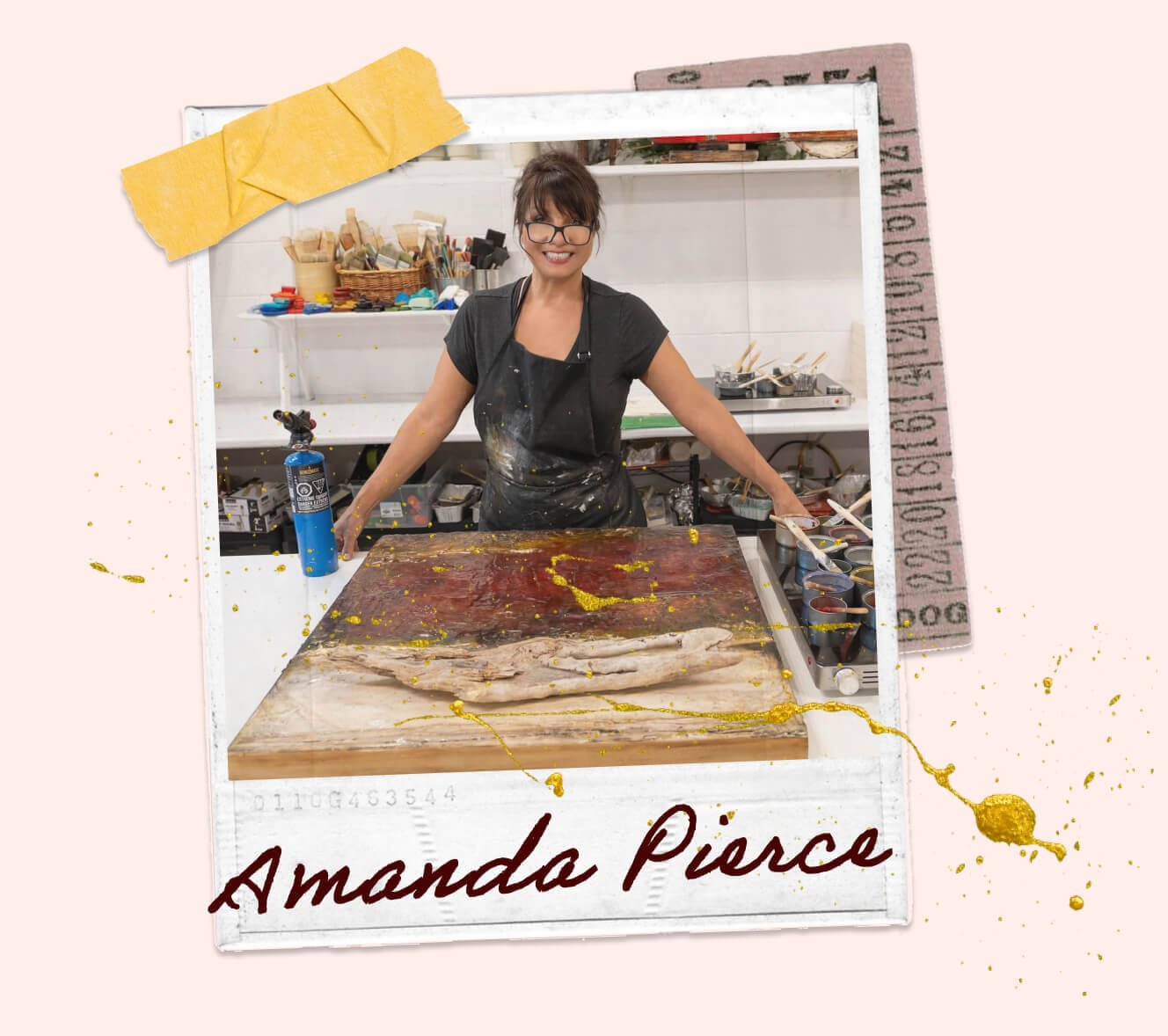
I am a Cree Métis contemporary abstract encaustic artist, sculptor, and instructor based in Chelsea, Quebec. I work from my studio at La Fab Cultural Center.
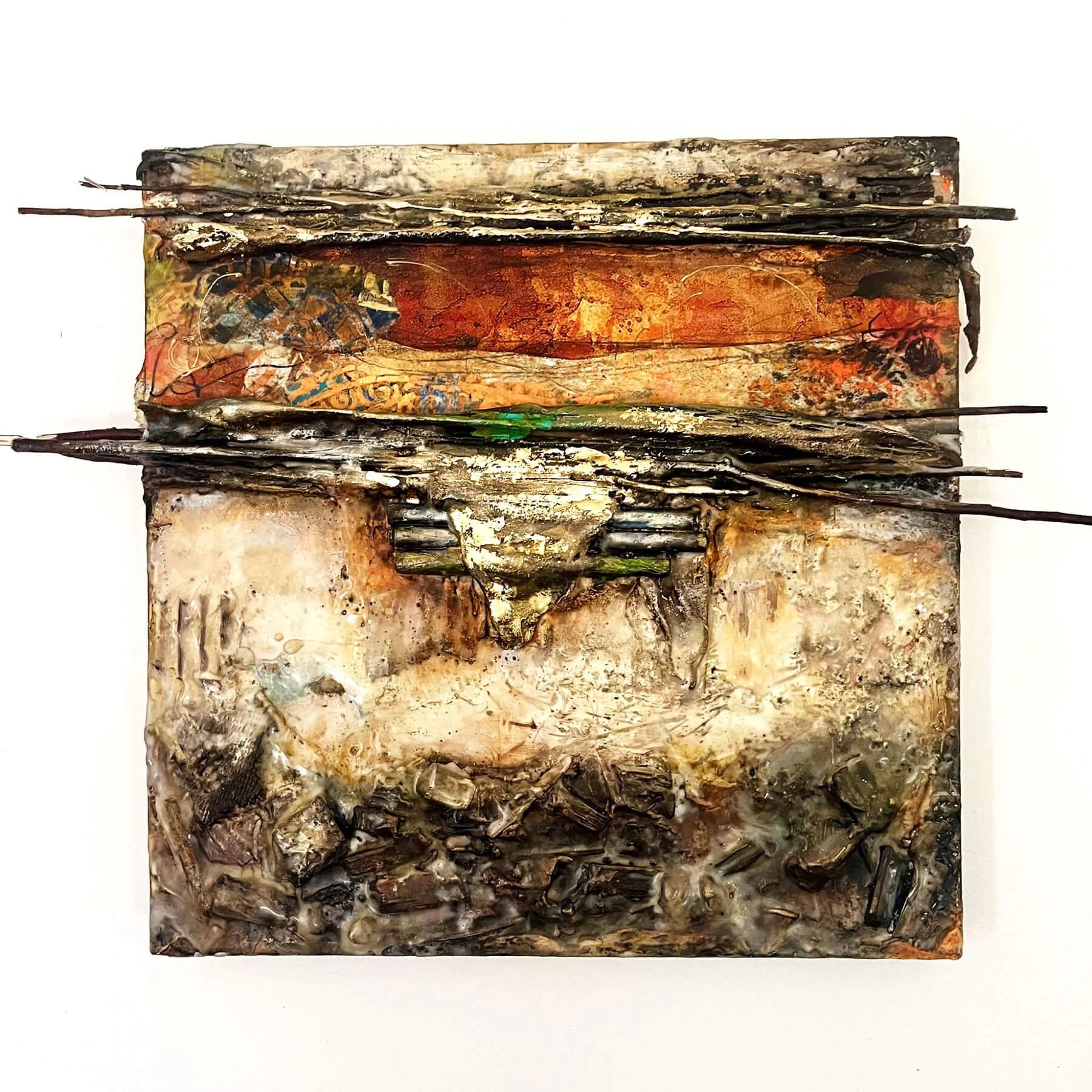
My work is often described as having a deep, evocative quality, and I strive to bring that emotional depth and connection into every piece I create. I work with layers, both in terms of the materials I use and the process itself. I love creating rich textures, 3D elements, and find inspiration in nature. Recycled items and found objects are often incorporated into my work, reflecting my belief that beauty and meaning can emerge from what is overlooked. My layered, fragmented textures evoke the passage of time, speaking to decay and subtle transformation, while capturing remnants of history, memory, and quiet stillness. This combination ensures each piece is unique and deeply personal.
I’m also passionate about sharing what I’ve learned through teaching. I offer in-person workshops and teach online, including private Zoom sessions for remote participants. In my workshops, I guide students to create art that is authentic and connected to their inner selves. I believe art should come from the soul, so I encourage my students to release expectations and connect intuitively with their creativity. It’s not about following a set path; it’s about the process of discovery and letting go of control.
Originally from Saskatchewan, my artistic journey began in the vast, open landscapes of my childhood. I spent much of my time outdoors, where nature became my playground. The quiet space allowed my imagination to thrive, and I learned how to listen deeply to the world around me. That connection still influences my art, whether I’m capturing the essence of nature or responding to the materials in front of me.
Primarily self-taught, I’ve had the privilege of learning from talented artists both locally and internationally, and I continue to grow and refine my practice. I love experimenting with new ways of creating, especially with encaustic. There’s always something new to explore, and every experience—big or small—helps me deepen my understanding. I’m always open to learning, whether from others or in the quiet moments when I’m alone in the studio, listening to what the materials and the process are telling me. Sometimes, I even turn the lights off while creating, allowing the piece to move me rather than the other way around. The spontaneity of that process often feels magical, and the unexpected beauty that emerges is something I truly enjoy.
You can view Amanda’s work at:
www.amandapierceart.com
www.facebook.com/AmandaPierceArt
www.instagram.com/amanda.pierce.art
Class Details
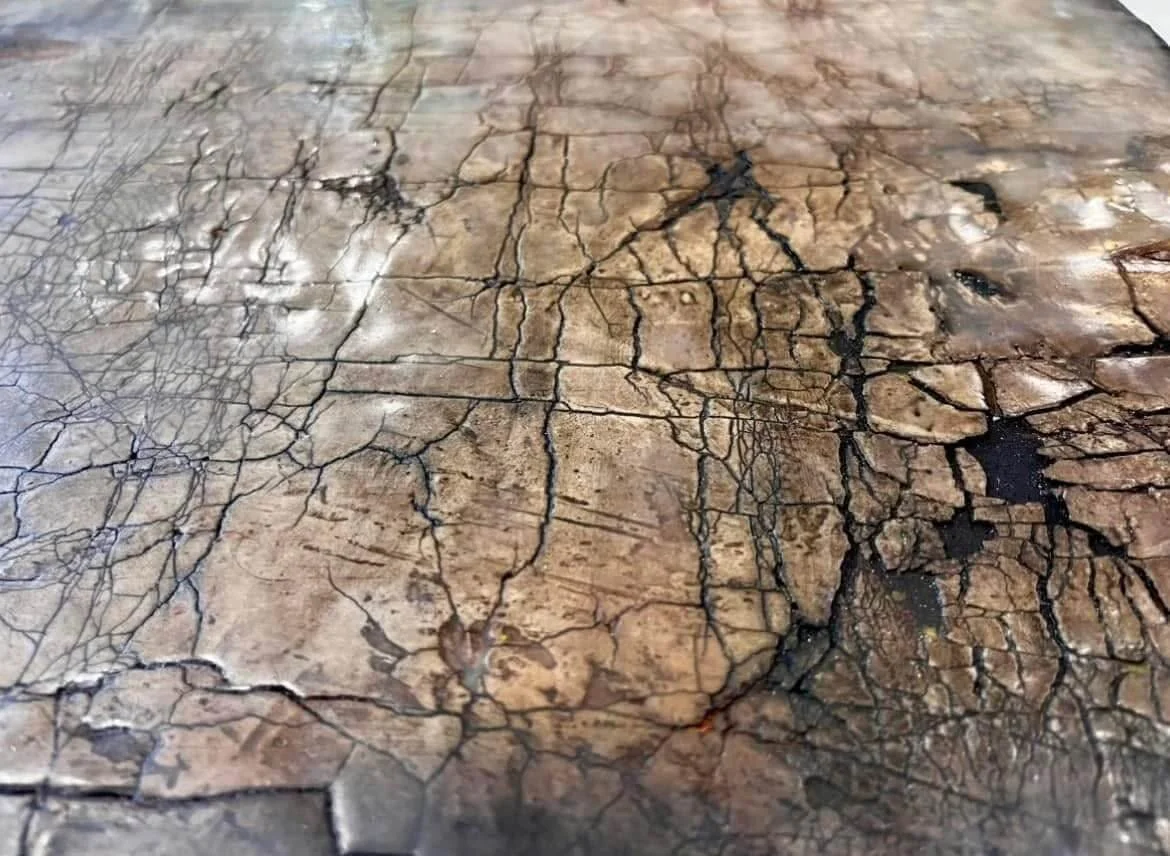
Wabi Sabi Encaustic, Texture, Cracks and Embedding
This lesson reflects the way I approach encaustic painting through wabi sabi, embracing texture, cracks, and surface history as part of the work rather than something to correct.
We begin with the underpainting, working with curiosity and openness. Using joint compound, Powertex, a fabric hardener, Easy3DFlex, and other wet materials, I build texture and introduce intentional instability into the surface. I share two ways to encourage both subtle and more pronounced cracks to develop, including my favourite method for creating cracks using plaster of Paris. These shifts are treated as part of the composition rather than something to fix.
As the surface develops, we embed natural elements directly into the work, including branches, twigs, feathers, sand, instant coffee, eggshells, fabrics, and other found materials, allowing the underpainting to hold both structure and story.
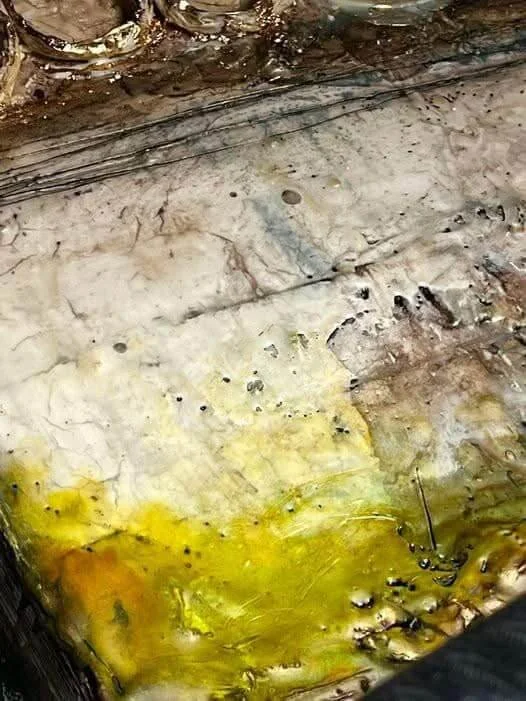
From there, we transition into encaustic. Encaustic is layered over the textured ground, embedding papers and fibers into the surface, carving marks, and introducing subtle patinas. These layers bring richness, variation, and quiet complexity as the piece continues to evolve.
This lesson mirrors how I work in my own studio, listening to the material and allowing change and imperfection to guide the final outcome.
Working in Fragments, Building Encaustic Elements Over Time
This mini lesson offers insight into how I work in fragments, creating textured encaustic elements that may later become part of larger compositions.
Rather than beginning with a finished vision, I often build materials intuitively, pouring plaster of Paris, layering joint compound, and embedding natural elements between stages. These pieces are not always complete works on their own. Instead, they become part of an evolving material library, carrying texture, history, and possibility.
In this session, I demonstrate one of the ways I create these fragments, sharing how multiple pours, embedded elements, and surface shifts contribute to a deeper, layered practice over time.